Mining and mineral processing put materials through punishment that few survive: strong acids and bases, abrasive slurries, chlorides, and constant wash-down. From copper electrowinning to tailings handling, the chemistry that recovers metal also eats steel — making corrosion-proof fiberglass (FRP) a natural fit.
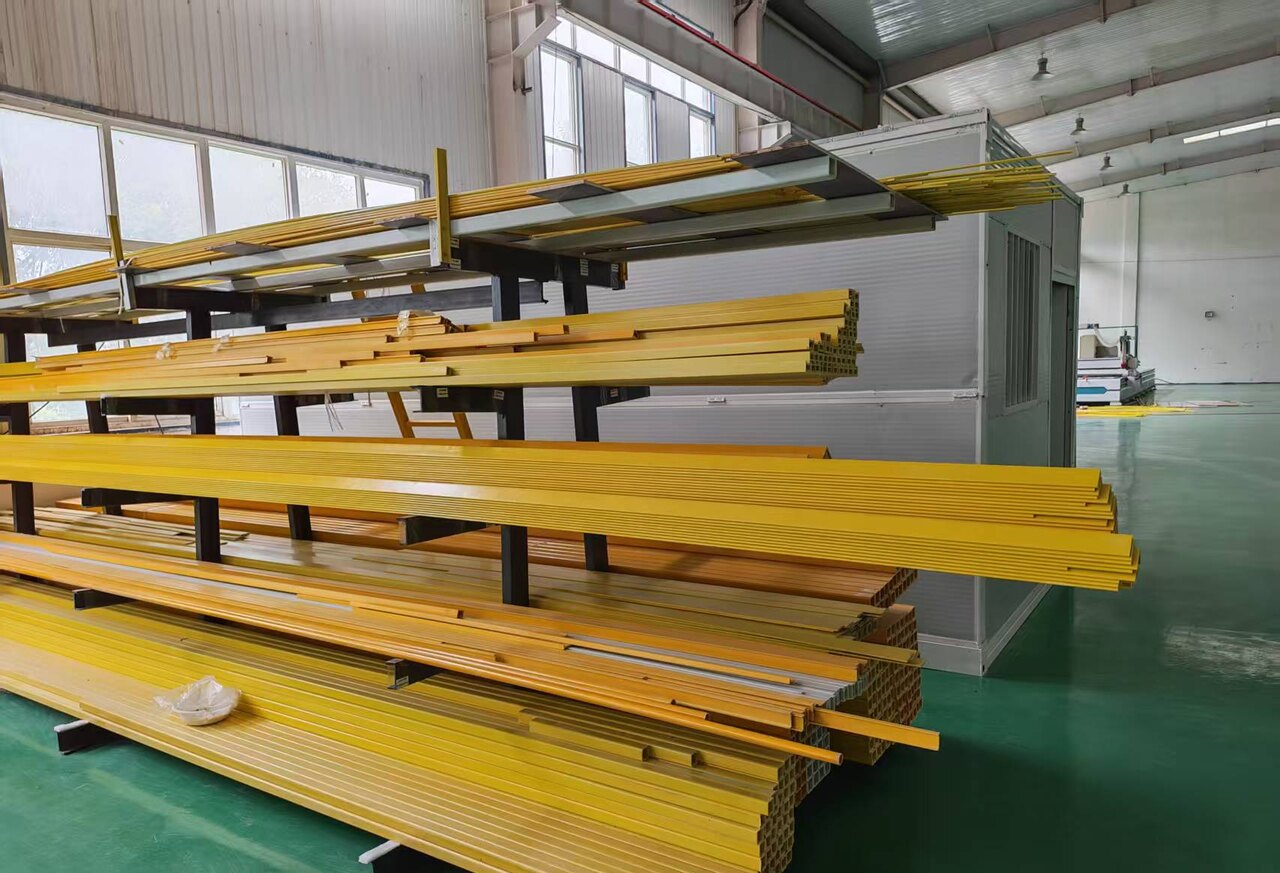
The most corrosive environments in industry
Leaching circuits, SX-EW (solvent extraction–electrowinning) cellhouses, smelter areas, and tailings facilities combine aggressive chemistry with continuous exposure. Galvanized and even stainless steel can corrode or require frequent maintenance; conductive structures in electrowinning cellhouses are also an electrical concern. FRP is non-conductive and resists acids, alkalis, and chlorides without coatings.
Where FRP is used
- FRP grating — cellhouse and process walkways, platforms, and trench covers
- Structural profiles — supports, framing, and equipment structures
- Handrail, ladders, and access — corrosion-proof and non-conductive
- Support stakes and components — for site and process use
Non-conductive matters in electrowinning
In SX-EW cellhouses, non-conductive walkways and railing reduce stray-current and shock risk around energized cells — a safety advantage steel cannot offer. Combined with corrosion resistance, FRP lowers both risk and maintenance in these areas.
Built for remote, high-cost-of-downtime sites
Mines are often remote, where every replacement and outage is expensive. FRP’s install-once, near-zero-maintenance profile is especially valuable there. See our chemical & process applications and the total cost of ownership case.
Talk to us about your circuit
Send us your process area and chemistry, loads, and components and we will help you specify the right resin and FRP products and provide a quote.